Oklahoma City
Oklahoma City is the capital of Oklahoma.
A fast-growing capital that began during the famous Land Run of 1889.
What makes the capitol special
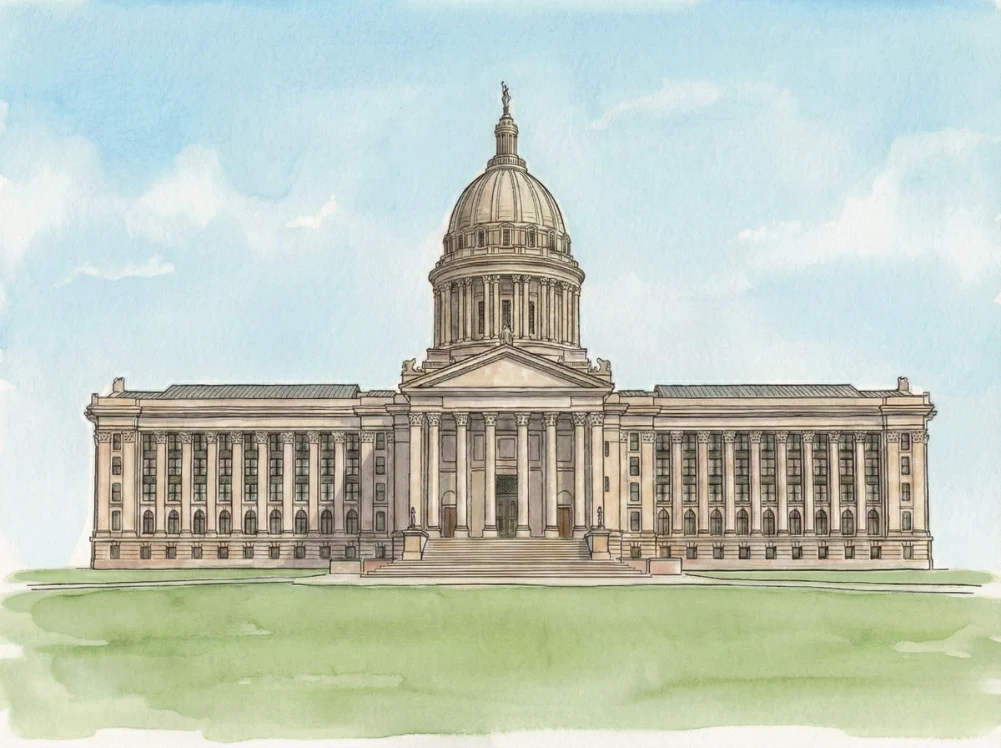
The Oklahoma State Capitol was built in 1917. It is the only capitol with historic oil derricks standing right on its grounds. The building’s dome was not added until 2002. Today, it is topped by a 22-foot bronze statue called “The Guardian.” Inside, the building features murals and artwork that celebrate the state’s Native American history and frontier spirit.
Three places to visit
- Oklahoma City National Memorial & Museum – Visit this emotional and respectful tribute that honors the victims, survivors, and rescuers of the 1995 bombing.
- National Cowboy & Western Heritage Museum – Explore the country’s leading museum dedicated to the history, art, and culture of the American West.
- First Americans Museum – Learn about the shared history and diverse cultures of the 39 Native American tribes that call Oklahoma home.
How the city got its name
Oklahoma City was established during the famous Land Run of 1889. Its name comes from two Choctaw words: “okla,” meaning people, and “humma,” meaning red. This name was chosen to reflect the Native American heritage of the region.
Why this city became the capital
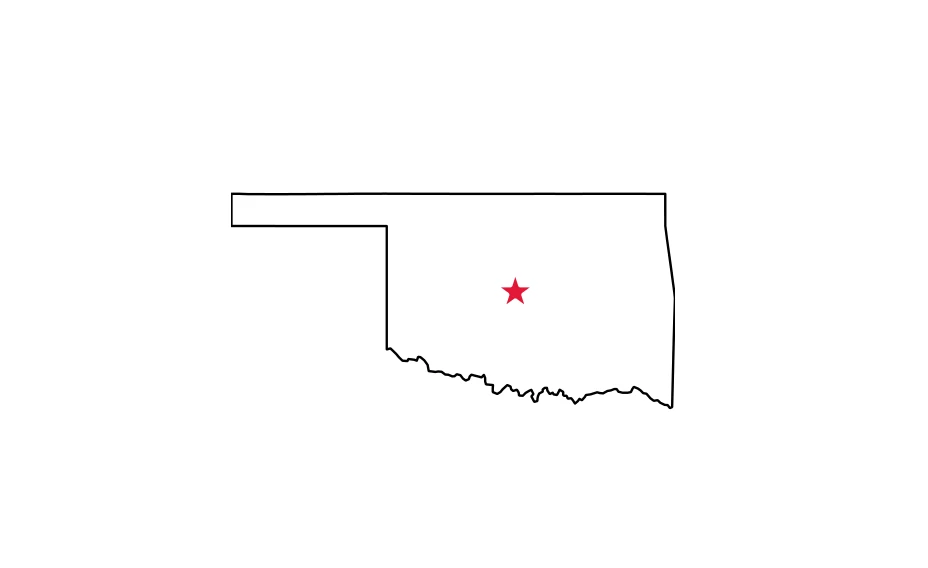
Oklahoma City became the state capital in 1910, taking the title from the city of Guthrie after a controversial vote. The change happened in a dramatic way; state officials actually moved the government records in the middle of the night to secure the new location. Oklahoma City was chosen because of its central location, its rapid growth, and its increasing political power.
From Celine Carlson’s 50 State Capitals: A Field Guide by a Girl Who Visited Them All, based on her visits to all 50 state capitals. About the author · Sources and research notes.