Bismarck
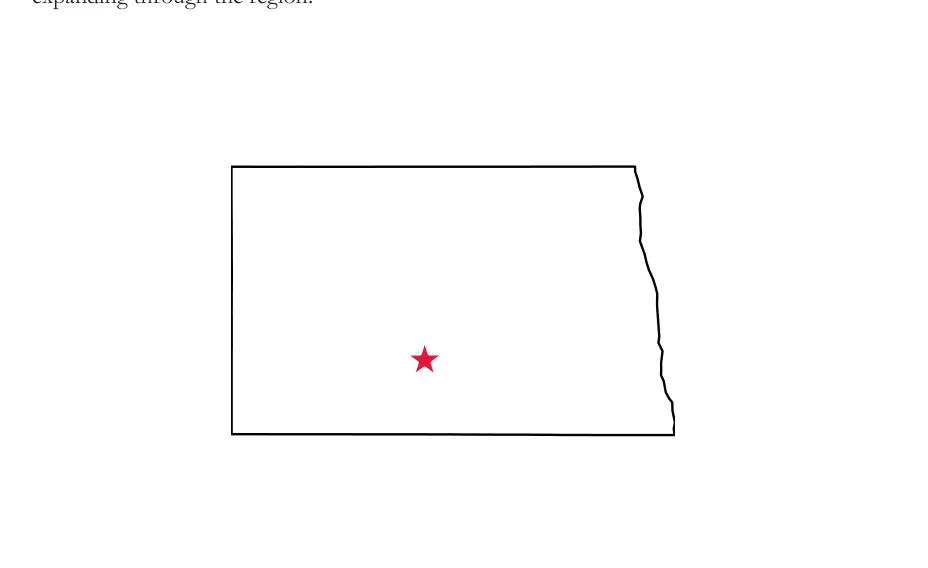
Bismarck is the capital of North Dakota.
A Missouri River transportation center renamed to attract settlers during western expansion.
What makes the capitol special
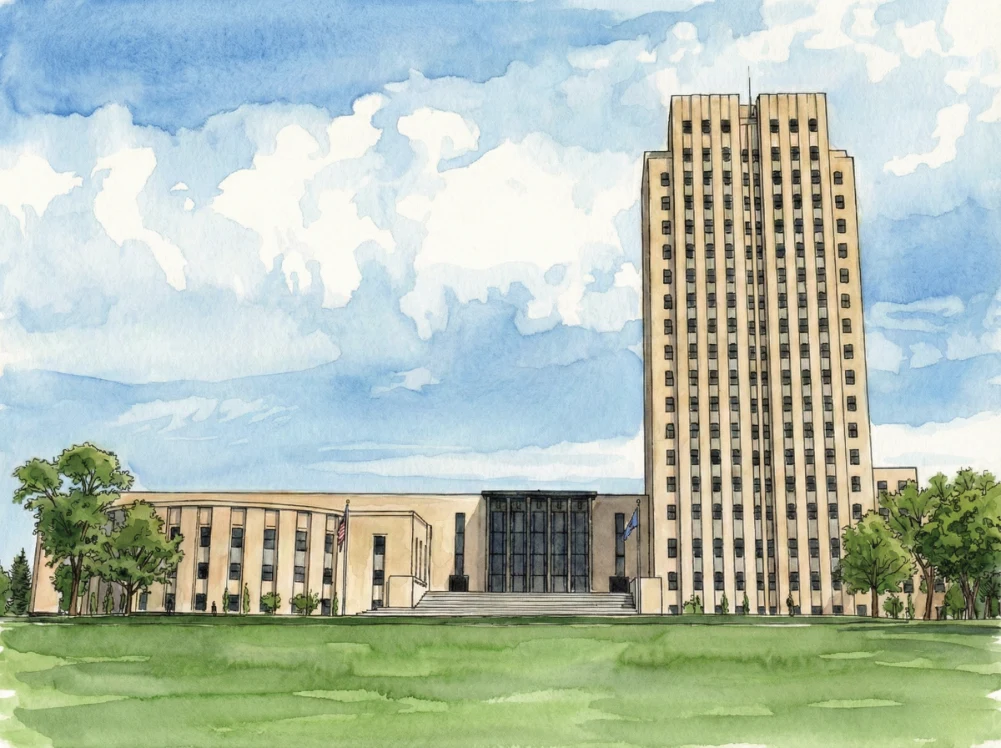
Built in 1934, the North Dakota State Capitol is a 21-story Art Deco building known as the “Skyscraper on the Prairie.” It is unique among state capitols because it does not have a dome. The grounds feature the Prairie Arboretum, a garden displaying 75 different types of native plants.
Three places to visit
- North Dakota Heritage Center & State Museum – Visit the official state museum to explore North Dakota’s history, with exhibits ranging from dinosaurs to modern times.
- Fort Abraham Lincoln State Park (Mandan) – Explore the rebuilt Mandan On-A-Slant Indian Village and see General Custer’s nearby cavalry post.
- Buckstop Junction Historic Town – Walk through a recreated pioneer village made up of original historic buildings moved from the surrounding area.
How the city got its name
The city was originally called Edwinton. In 1873, it was renamed to honor the German Chancellor, Otto von Bismarck. This name change was a strategy to attract German immigrants and investment while the Northern Pacific Railway was expanding through the region.
Why this city became the capital
Bismarck took over from Yankton as the capital of the Dakota Territory in 1883. It was chosen because it was a major transportation center located on the Missouri River. Because of its strategic location and growing economy, it became the official state capital of North Dakota in 1889.
From Celine Carlson’s 50 State Capitals: A Field Guide by a Girl Who Visited Them All, based on her visits to all 50 state capitals. About the author · Sources and research notes.