
Phoenix
Phoenix is the capital of Arizona.
A desert capital built on land once home to the ancient Hohokam civilization.
What makes the capitol special
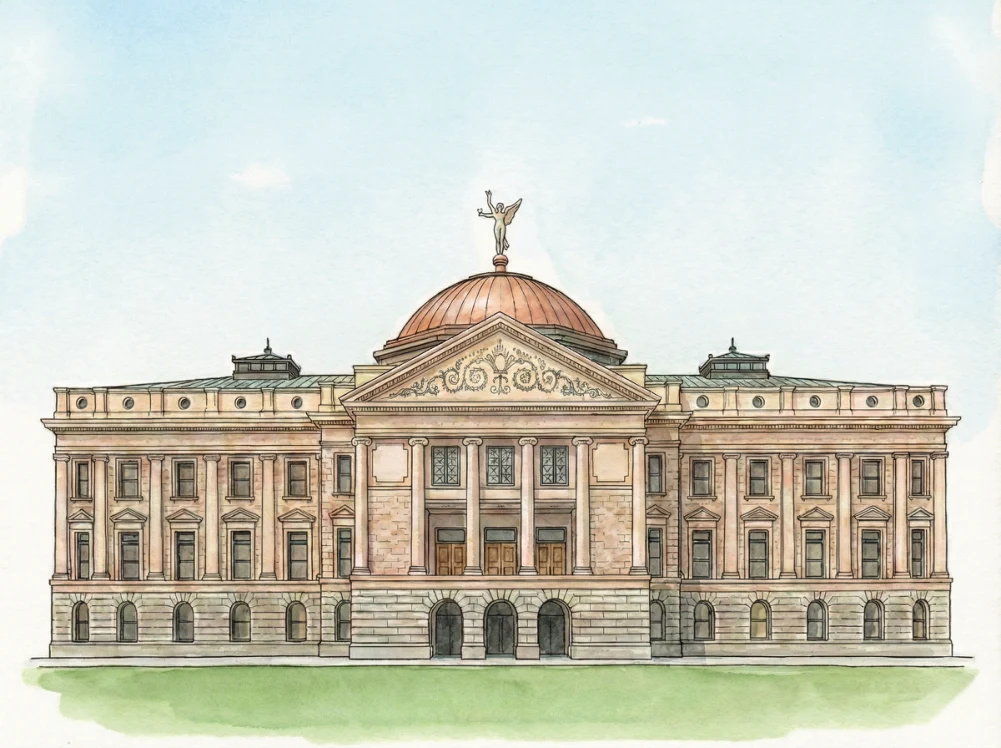
Arizona’s Capitol was built in 1901 and features a copper dome topped by a statue called Winged Victory. The copper dome honors the state’s history of mining. Inside, the building has original wooden rooms, stained glass ceilings, and a floor mosaic made from local minerals. These details highlight the skill of the builders and the natural riches of the desert.
Three places to visit
- Desert Botanical Garden – This is a beautiful 140-acre garden that displays thousands of unique desert plants from all over the world.
- Heard Museum – This famous museum honors American Indian art, history, and culture, with a special focus on the Southwest.
- Camelback Mountain (Echo Canyon Trail) – This is the city’s most famous and challenging hike. From the top, it offers a full 360-degree view of the entire valley.
How the city got its name
Phoenix was named to honor the Greek legend of the Phoenix bird, a mythical creature said to be reborn from its own ashes. This name was chosen to represent a new city rising up in the desert on the same land where the ancient Native American Hohokam civilization once lived.

Why this city became the capital
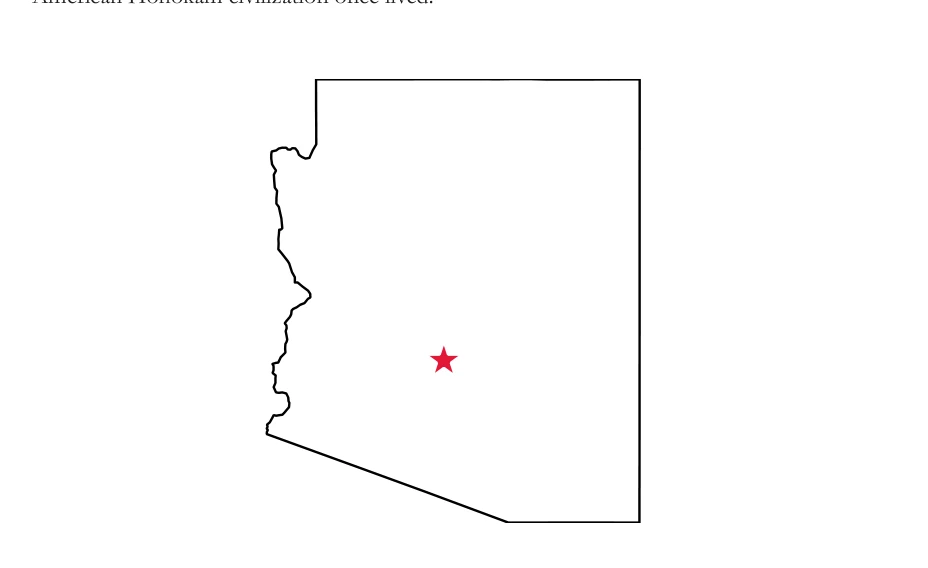
Phoenix replaced Prescott as Arizona’s capital in 1889. It was chosen because of its central location, growing population, and strong economy. Before Phoenix became the permanent capital, the seat of government moved between several places: Fort Whipple (1863-1864), Prescott (twice: 1864-1867 and 1877-1889), and Tucson (1867-1877).
From Celine Carlson’s 50 State Capitals: A Field Guide by a Girl Who Visited Them All, based on her visits to all 50 state capitals. About the author · Sources and research notes.