Indianapolis
Indianapolis is the capital of Indiana.
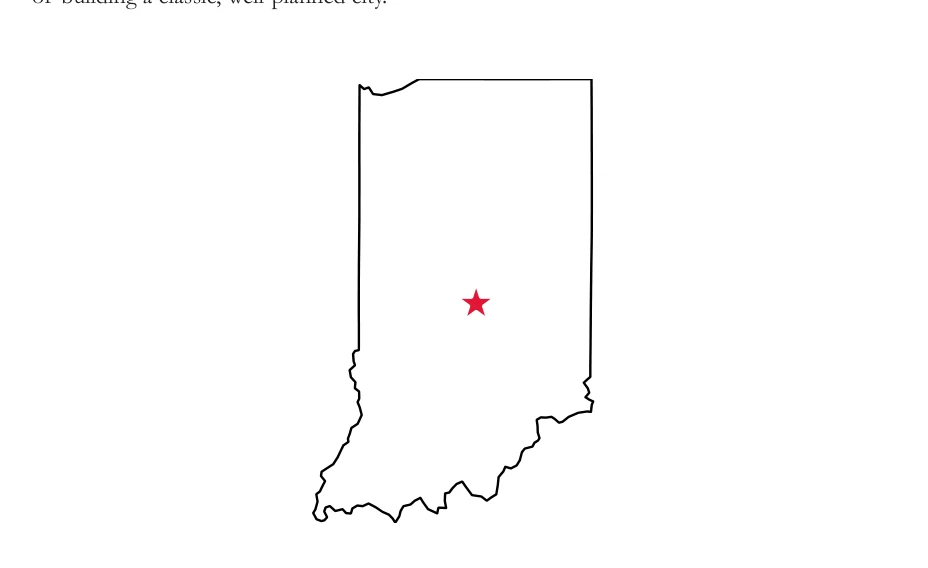
A planned capital placed in the state’s center so people from all regions could reach it.
What makes the capitol special
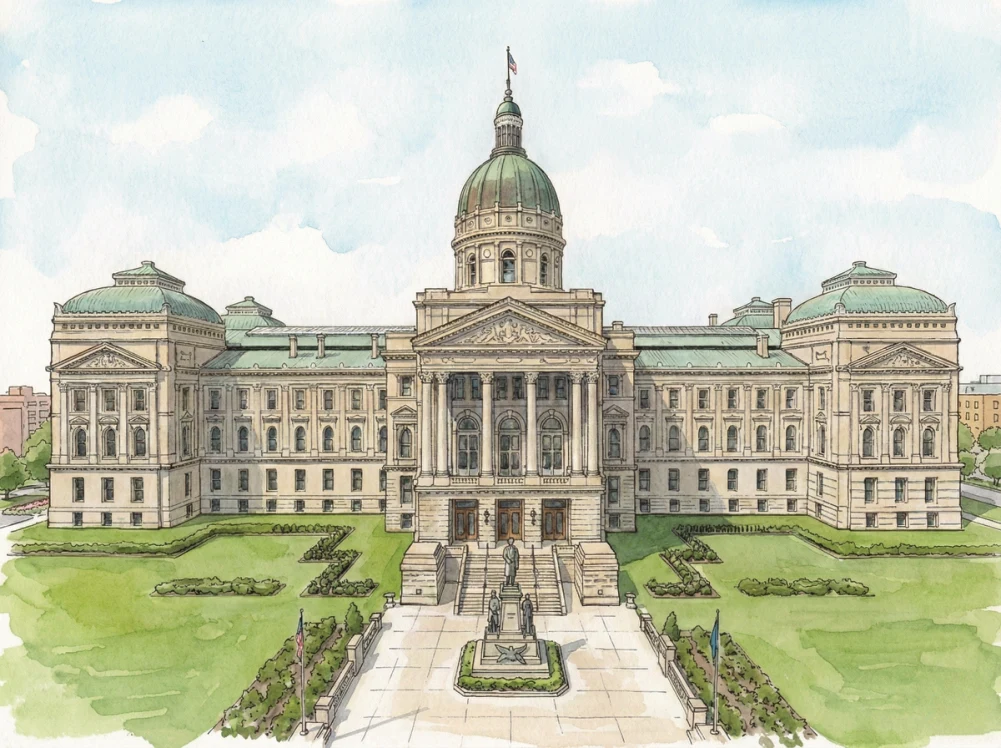
The Indiana Statehouse was finished in 1888. It features a 234-foot central dome built from local Indiana limestone. Inside, a massive 29-foot stained-glass window allows light to fill the main hall. The grounds also feature statues of famous “Hoosiers”—the nickname given to people from Indiana.
Three places to visit
- Indianapolis Motor Speedway Museum – See legendary race cars and visit the “Yard of Bricks” at the most famous racetrack in the world.
- The Children’s Museum of Indianapolis – Explore one of the world’s largest children’s museums, featuring amazing exhibits on dinosaurs, science, and world cultures.
- Monument Circle – Visit the famous Soldiers and Sailors Monument, which marks the exact center, or “heart,” of the city.
How the city got its name
Indianapolis was named in 1821. The name is a combination of “Indiana,” which means “land of the Indians,” and the Greek word “polis,” meaning “city.” This choice honors both the area’s Native American history and the founders’ goal of building a classic, well-planned city.
Why this city became the capital
Indianapolis became the capital of Indiana in 1825. It replaced the earlier capitals of Vincennes (1800-1813) and Corydon (1813-1825). Leaders chose Indianapolis because it is located right in the center of the state, making it easier for people from all regions to reach the government.
From Celine Carlson’s 50 State Capitals: A Field Guide by a Girl Who Visited Them All, based on her visits to all 50 state capitals. About the author · Sources and research notes.