Charleston
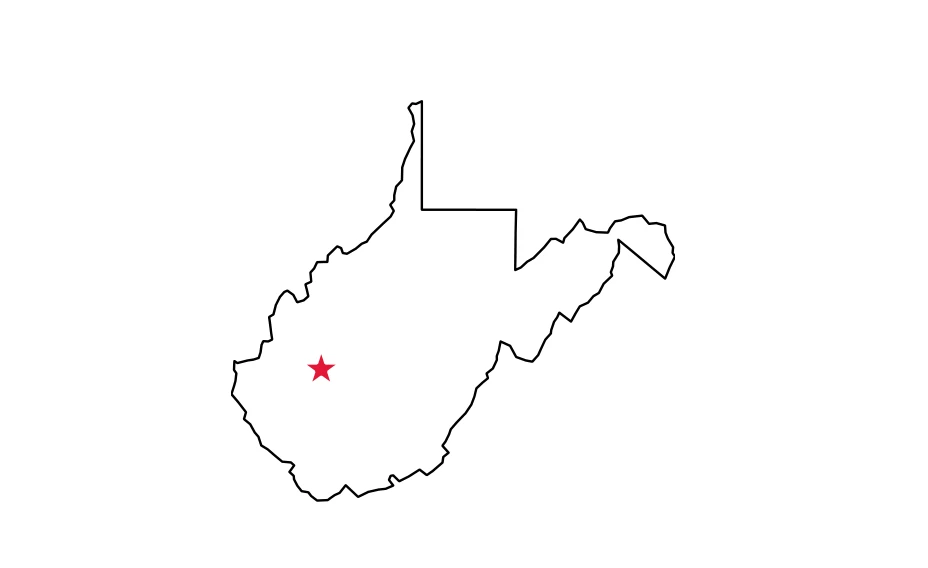
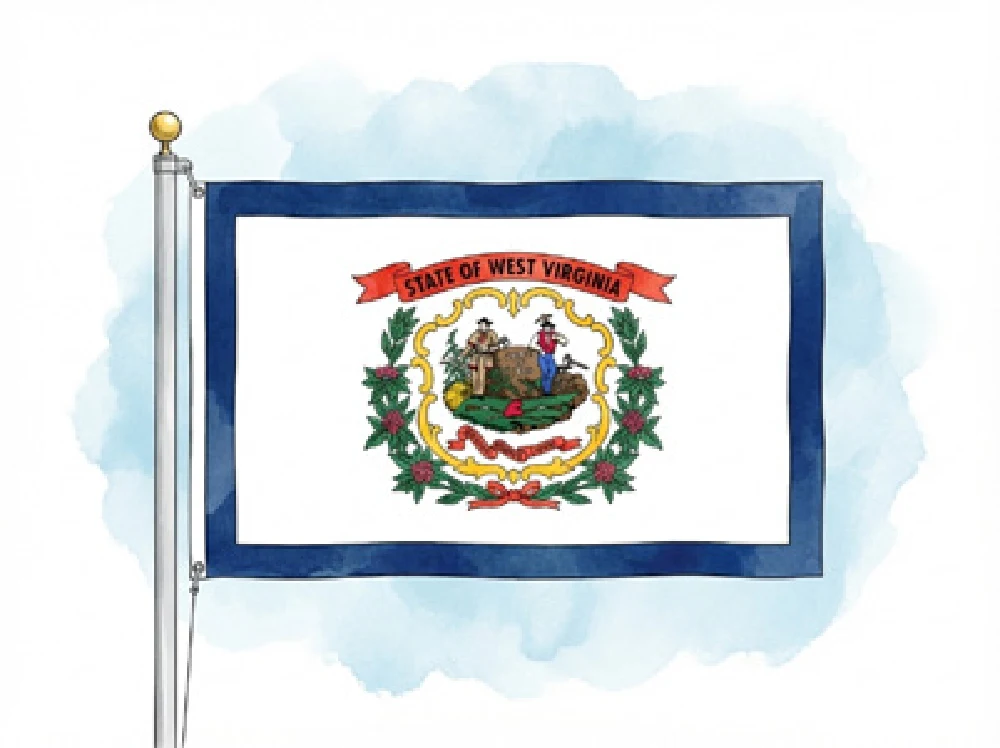
Charleston is the capital of West Virginia.
A river-valley capital located where major travel routes come together.
What makes the capitol special
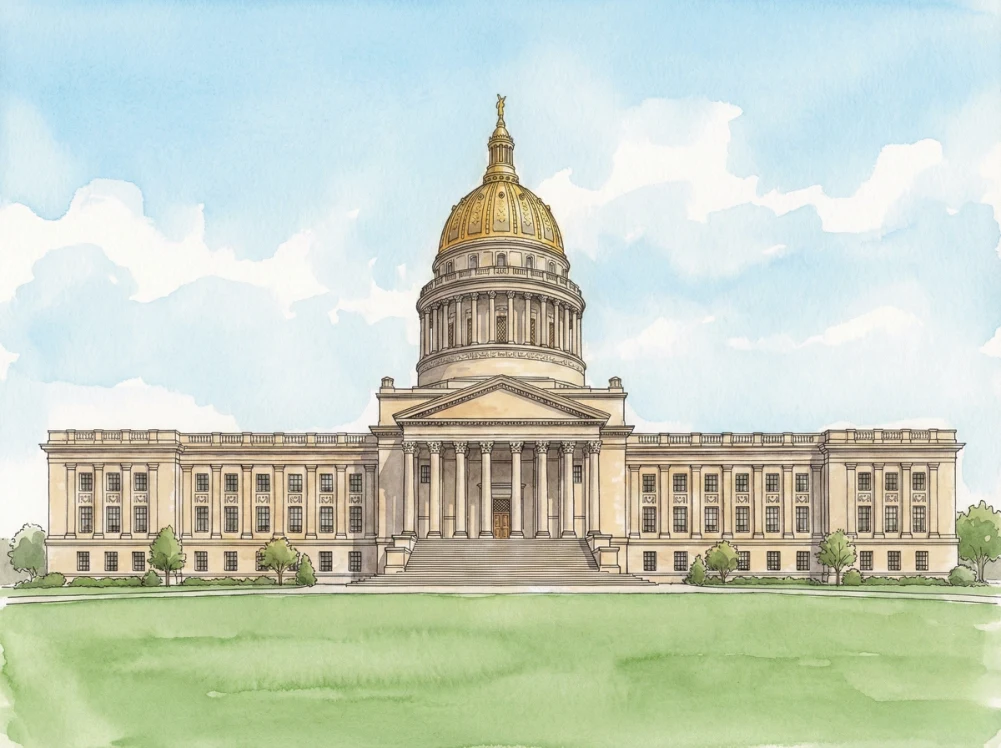
The West Virginia State Capitol was finished in 1932. It features a 293-foot dome covered in real gold leaf. Inside, the building uses fancy stone materials like Italian travertine and Vermont marble. The grounds feature statues of Abraham Lincoln and Stonewall Jackson, reflecting the state’s complex Civil War history.
Three places to visit
- Clay Center for the Arts & Sciences – Explore interactive science exhibits, an art museum, and a planetarium all inside one building.
- Kanawha State Forest – Hike miles of beautiful trails through the thick Appalachian forest just minutes from downtown.
- Capitol Market – Shop for local produce, crafts, and food inside a historic train station that has been turned into a lively market.
How the city got its name
Charleston began as “Clendenin’s Settlement.” It was named after Charles Clendenin, whose father built the fort that helped the city grow during the late 1700s.
Why this city became the capital
Charleston became the permanent capital of West Virginia in 1885. Before that, the capital moved back and forth between Wheeling (1863-1870, 1875- 1885) and Charleston (1870-1875). The city was chosen because of its central location, its growing economy, and its role as a transportation hub on the Kanawha River.
From Celine Carlson’s 50 State Capitals: A Field Guide by a Girl Who Visited Them All, based on her visits to all 50 state capitals. About the author · Sources and research notes.