
Augusta
Augusta is the capital of Maine.
An inland river city chosen for its safer position away from the coast.

What makes the capitol special
Built in 1832, the Maine State House features a 185-foot dome topped by the Lady of Wisdom, a gilded copper statue symbolizing wisdom. Inside, a stained-glass skylight displays scenes of Maine’s natural beauty and maritime history. The grounds also include gardens with a memorial honoring Maine soldiers.
Three places to visit
- Old Fort Western – Visit one of the oldest surviving wooden forts in America, built along the Kennebec River in 1754.
- Kennebec River Rail Trail – Walk or bike along this scenic paved path that follows the historic Kennebec River for miles.
- Viles Arboretum – Explore 224 acres of gardens, walking trails, and unique outdoor sculptures.
How the city got its name
Augusta was named in 1797. Most historians believe it honors Augusta Dearborn, the daughter of Revolutionary War General Henry Dearborn, though some think it refers to the Roman imperial title Augusta. Before receiving this name, the settlement was known by its original Native American name, Cushnoc.

Why this city became the capital
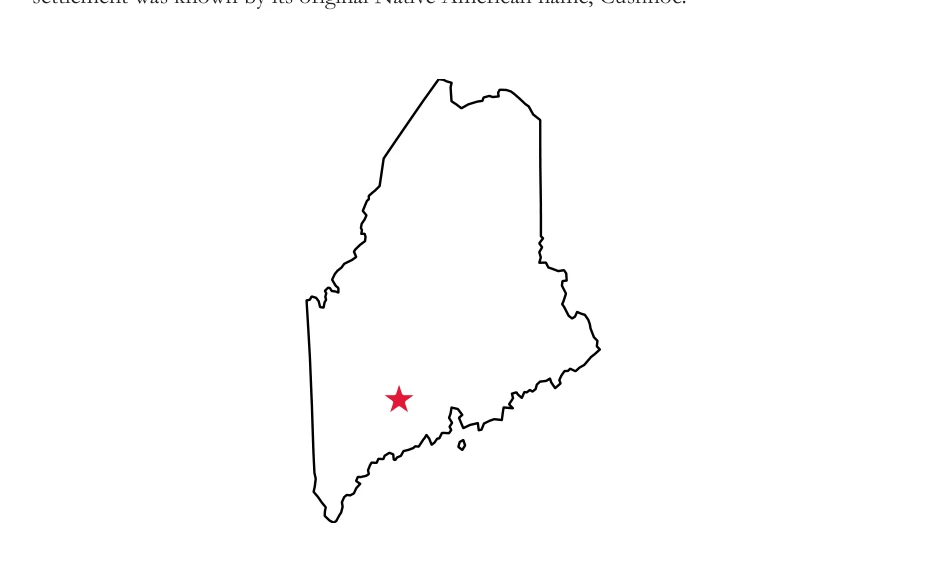
Augusta became Maine’s capital in 1832, replacing Portland (which served from 1820 to 1832). Leaders chose Augusta because of its central location and access to the Kennebec River. Its inland position was also considered safer from naval attack than coastal Portland.
From Celine Carlson’s 50 State Capitals: A Field Guide by a Girl Who Visited Them All, based on her visits to all 50 state capitals. About the author · Sources and research notes.